Thermostat Basics
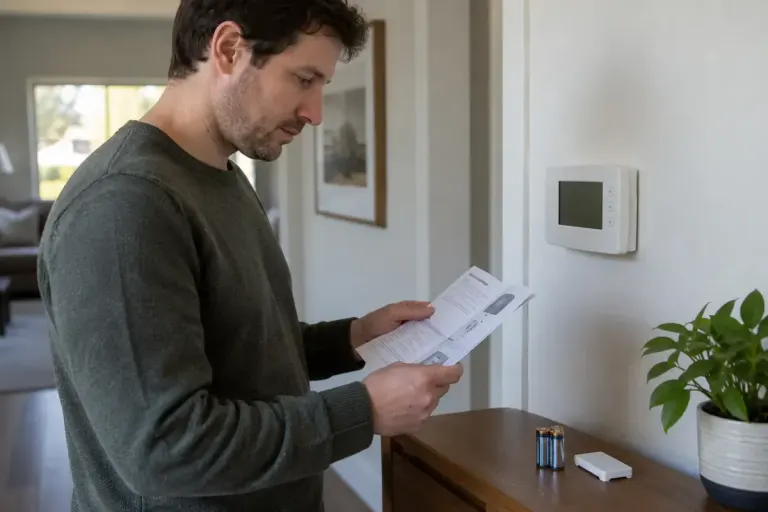
A Thermostat Battery Warning Is Not a Wiring Diagnosis
Start with the thermostat’s model-specific battery instructions when a warning appears. A low-battery message alone does not diagnose a wiring fault.

Everyday questions about heating, cooling and indoor comfort.
Start with the thermostat’s model-specific battery instructions when a warning appears. A low-battery message alone does not diagnose a wiring fault.
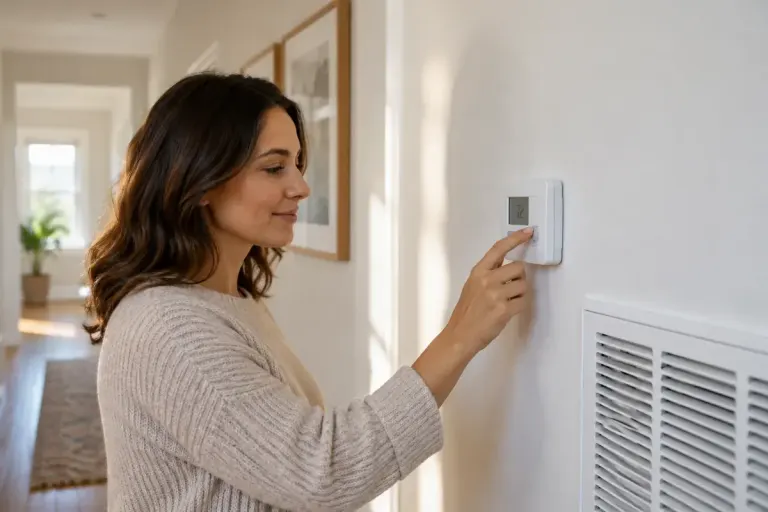
Distinguish the thermostat’s fan control from its heating and cooling mode, then check how your system handles circulation between active cycles.
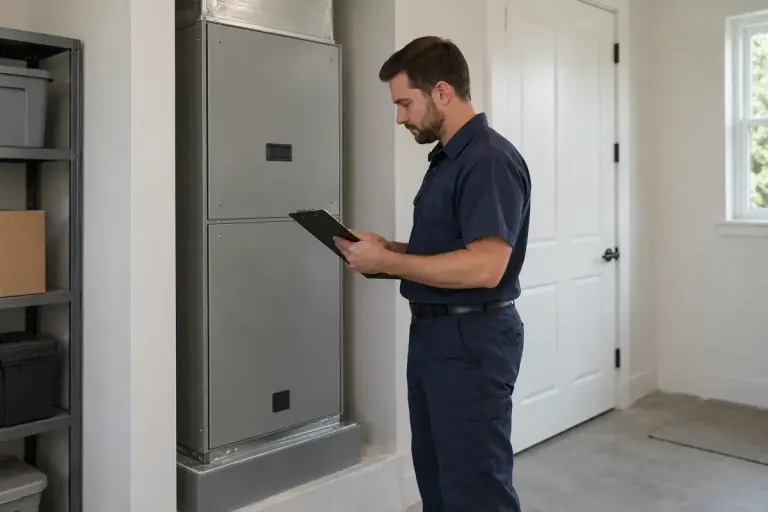
Learn what an air conditioner’s condensate drain does, which observations help a technician, and why a small leak deserves prompt attention.
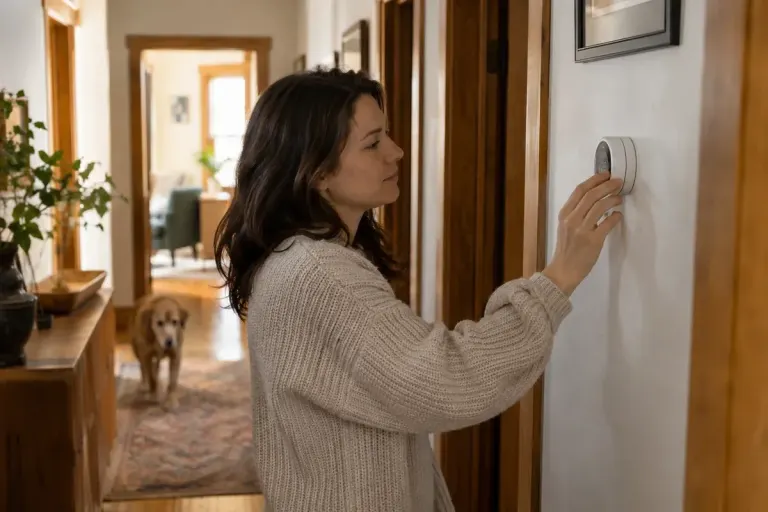
Review thermostat timings against the household’s real routine and heating equipment rather than copying a schedule that assumes everyone leaves at the same time.
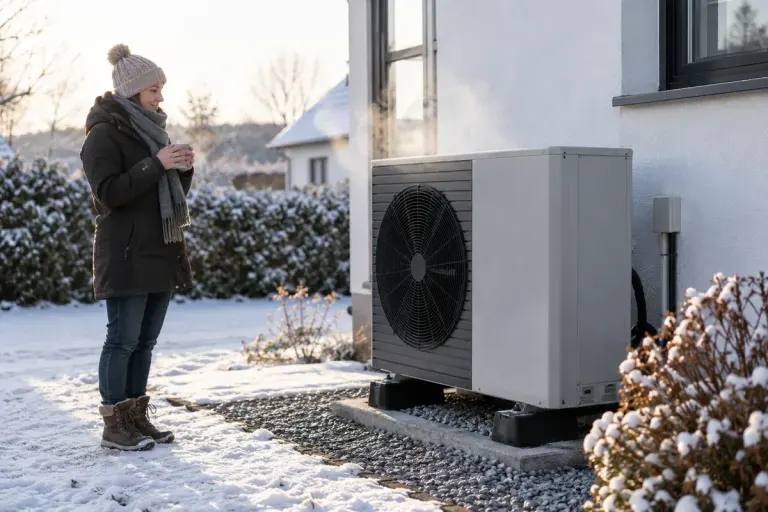
Understand why an outdoor heat-pump unit may release steam during defrost, and distinguish observations from faults requiring a technician.
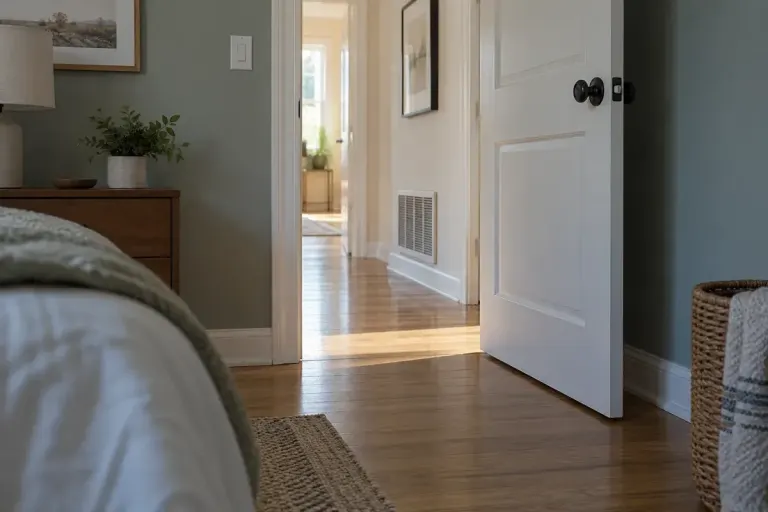
Understand how a closed interior door can affect a ducted HVAC system’s return-air path, and prepare useful observations for a professional assessment.
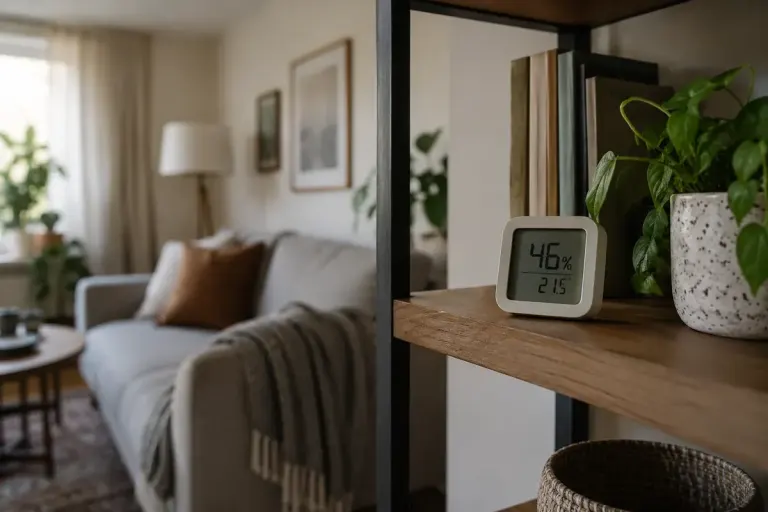
Make indoor humidity readings useful by recording where and when they were taken, then looking for persistent patterns and moisture sources.
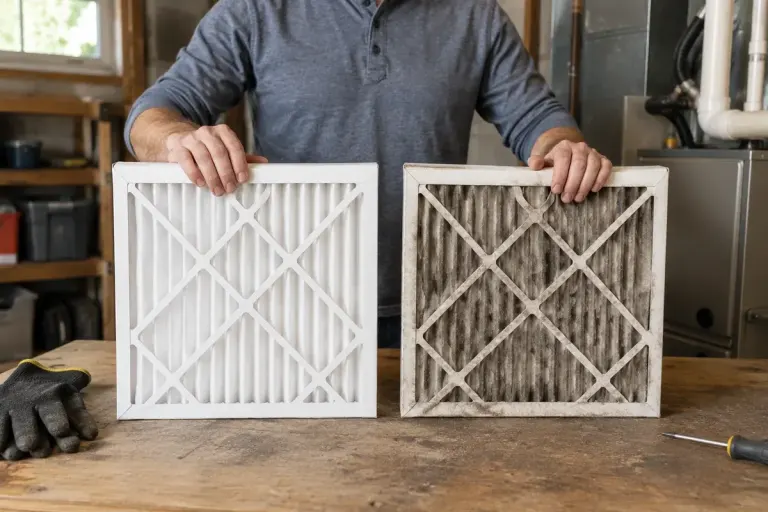
Compare HVAC filters using the system requirements, actual dimensions, airflow direction and fit rather than the highest rating alone.

Investigate a temperature mismatch by comparing locations, timing and nearby heat sources before assuming the thermostat is faulty.